
LESSONS FROM THE LAND OF TERANGA
In the winter of 2025, Nikiforos and I took our first trip to Africa—and we chose Senegal.
That choice surprised a lot of people.
“Not Morocco?”
“Not South Africa?”
“Not the Serengeti?”
“Not Kenya?”
We’d smile, shake our heads, and say, “Nope. Senegal.”
Truth be told, many African countries boast some of the world’s most jaw-dropping natural wonders, landscapes, wildlife, and architecture. Senegal is not loud about these things. And yet—this humble, clay-baked, musical country won us over completely, through something less visible but equally as powerful.
What we were intuitively picking up on—even from afar—was Senegal’s teranga.
Teranga is a Wolof word often translated as “hospitality,” but that translation barely scratches the surface. It’s a deep joy for life, an ethic of generosity, warmth toward strangers, pride without arrogance, and a belief that community is not optional. Senegal is often called “The Land of Teranga,” and after only a few days there, we understood why.
And truth be told—we fell in love.
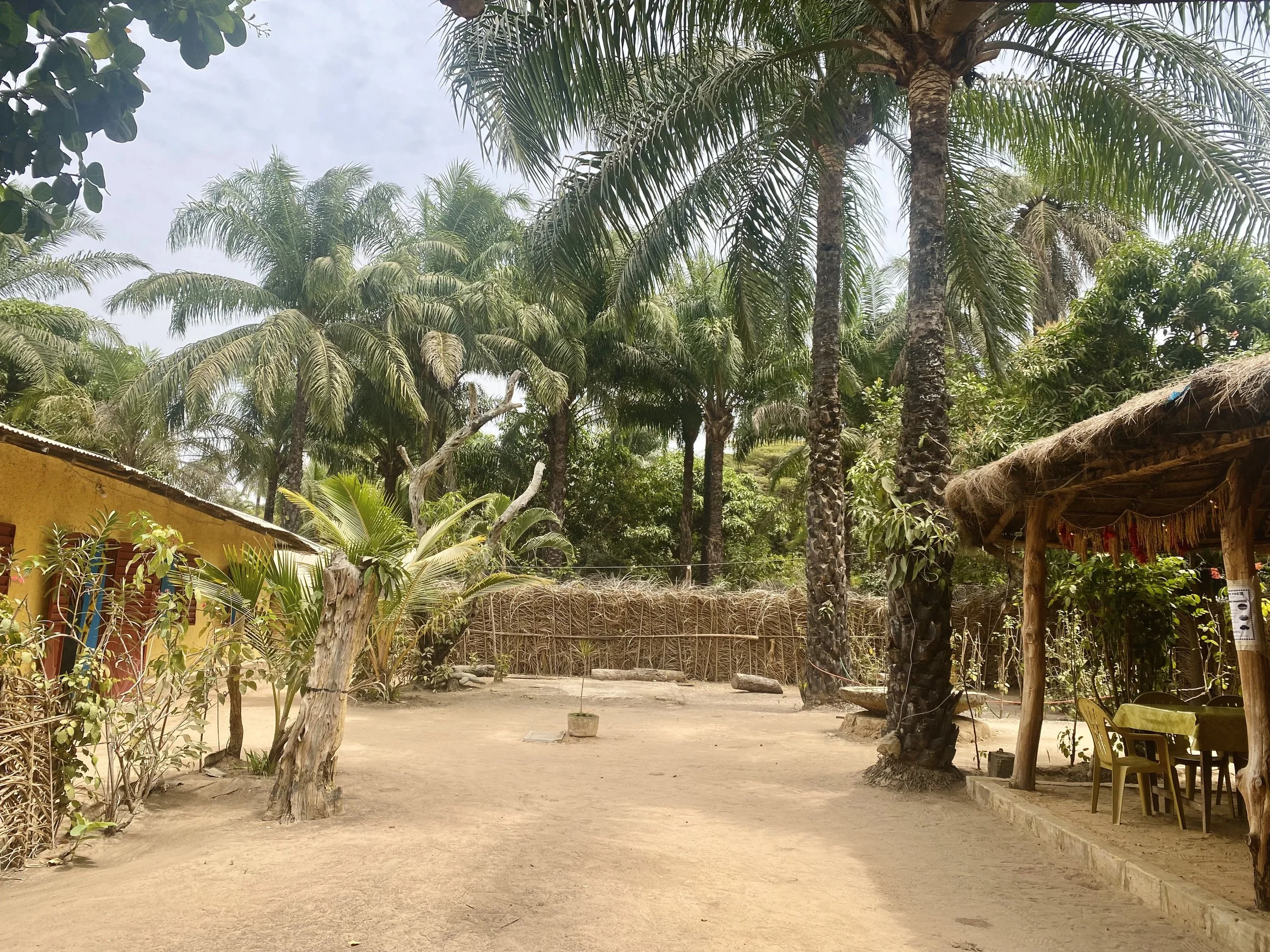
What follows are ten things that surprised us about Senegal. These are, of course, generalizations. We’re not experts on Senegal or its incredibly diverse people. These were simply our first impressions—and the lessons we carried home with us (until we go back).
A Non-Negotiable Sense of Dignity
In general, Senegalese people seem to carry an inherent, non-negotiable sense of self-worth and pride—regardless of life circumstance.
We saw this everywhere: in posture, in dress, in eye contact, in humor. There was no performative humility, no sense of apology for taking up space. Pride here wasn’t loud or competitive; it was calm and rooted. A quiet knowing of one’s value.
2. A Deep National Ethos of Religious Tolerance
Senegal has one of the strongest traditions of religious tolerance we’ve ever witnessed.
The country is about 95% Muslim, yet its first president after independence in 1960, Léopold Sédar Senghor, was a Christian—and was democratically elected by a Muslim majority.
That fact isn’t treated as remarkable in Senegal. It’s treated as normal.
Muslim and Christian holidays are respected across communities. Families often include members of multiple faiths.
Senegalese Islam itself is largely shaped by Sufi brotherhoods, which emphasize spirituality, music, poetry, and social harmony.
Tolerance here isn’t a slogan—it’s the invisible infrastructure found in every neighborhood and town.
3. Everyone Dances. Everyone Sings.
Everyone. Truly.
Waiting for a bus? Someone is swaying their hips.
Sitting at a café? Fingers tapping out rhythms on the table.
Walking down the street? Music everywhere.
Senegal is rhythm-first. The country gave the world mbalax—a music style driven by complex drum patterns from the sabar tradition—and music feels less like entertainment and more like a bodily necessity. Dance is not something you “learn” here; it’s something you remember.
Is it any wonder why so many cultures consider dance a legitimate form of art AND medicine?
Truly, some of our most healing and happiest moments in life were made while dancing under the stars with one another, Senegalese friends, and many smiling strangers.
4. Transport as Art and Ingenuity
We were constantly amazed by Senegal’s inventive, resourceful forms of transport.
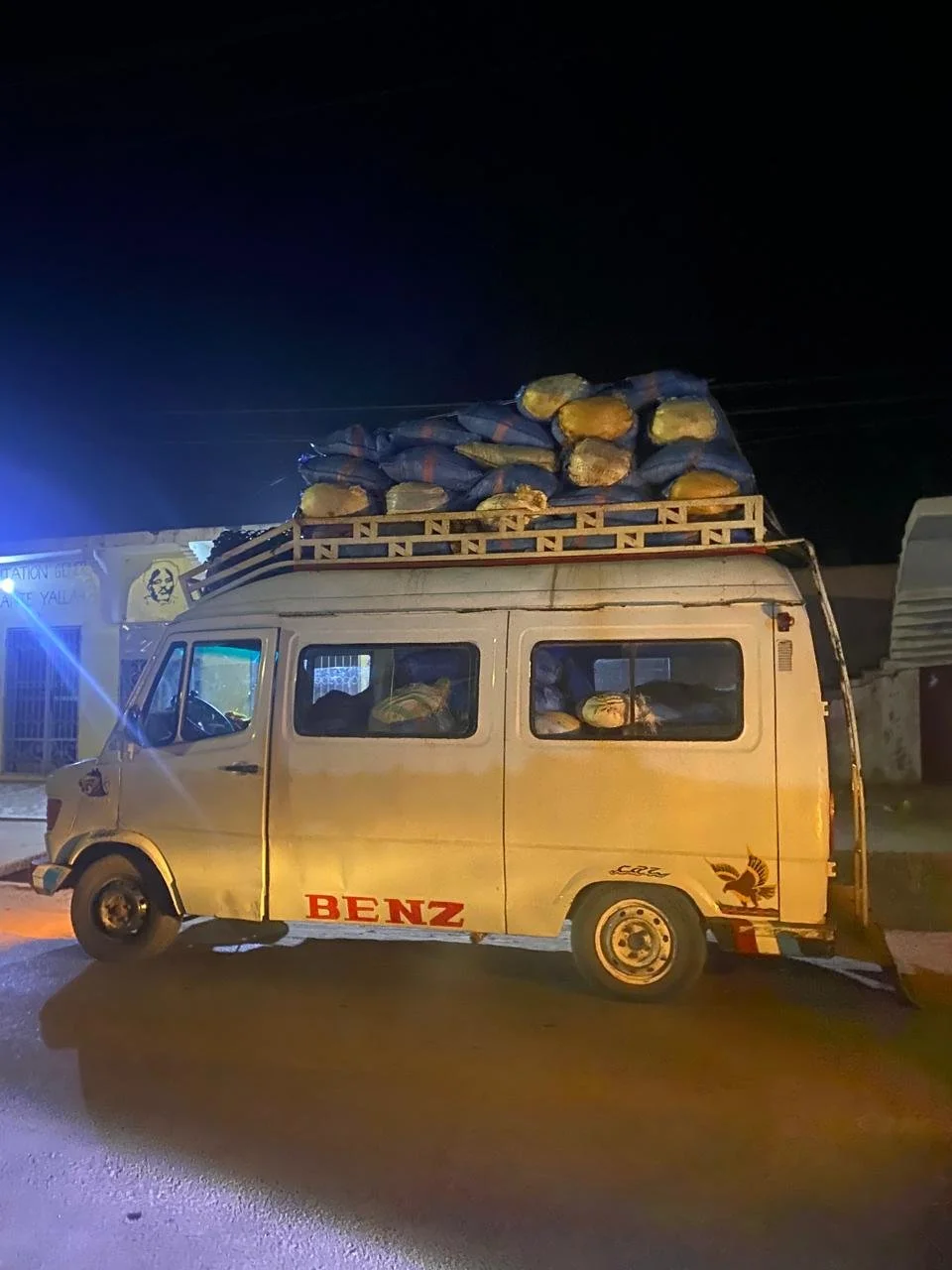
The iconic sept-place—often old Peugeot station wagons retrofitted to carry seven (or more!) passengers—are a masterclass in practical creativity.
Then there are Dakar’s legendary car rapides: brightly hand-painted buses covered in geometric patterns, religious phrases, jokes, and symbols.
Each one is unique, loud with color and personality, turning daily commuting into a moving gallery.
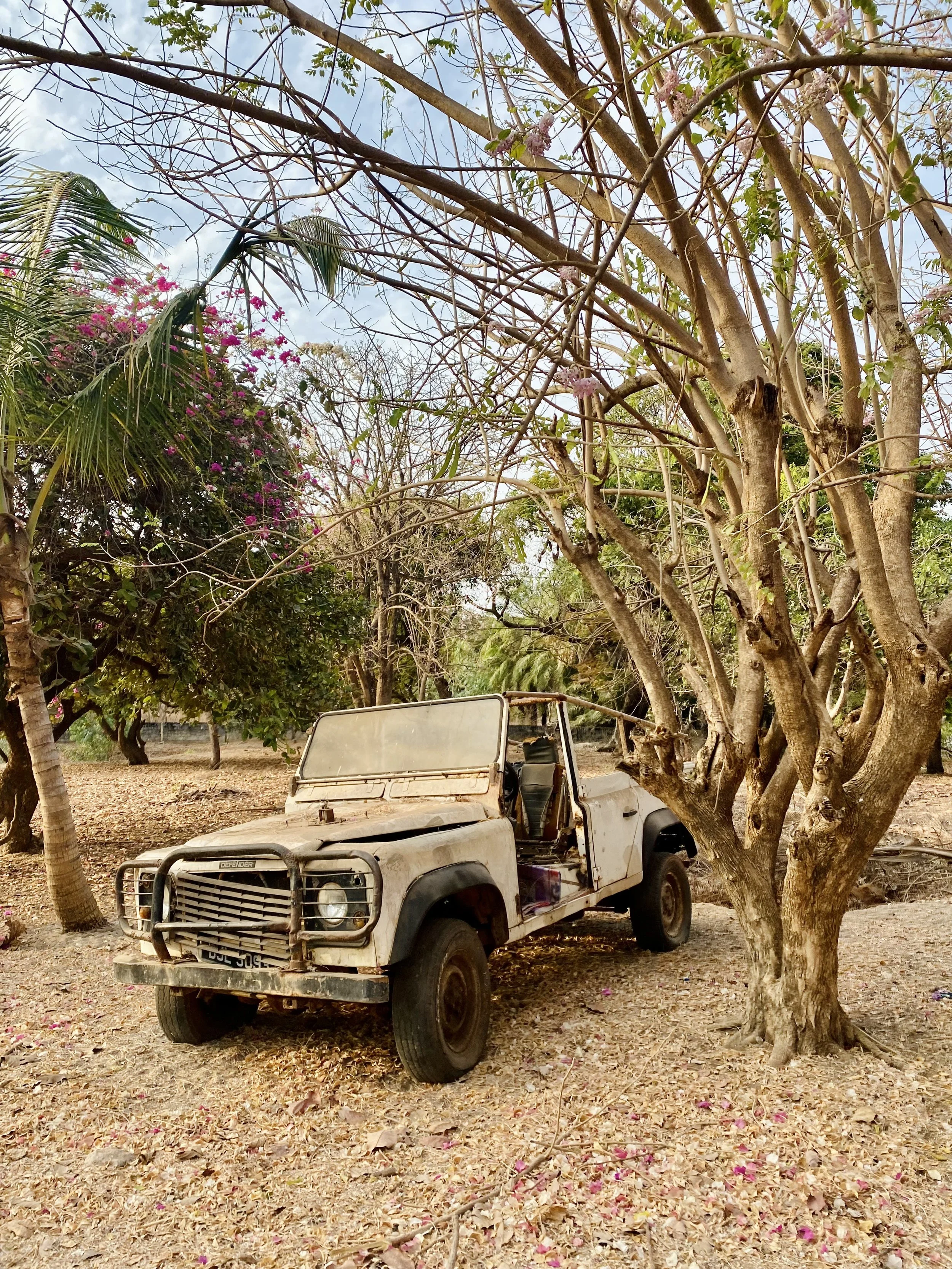
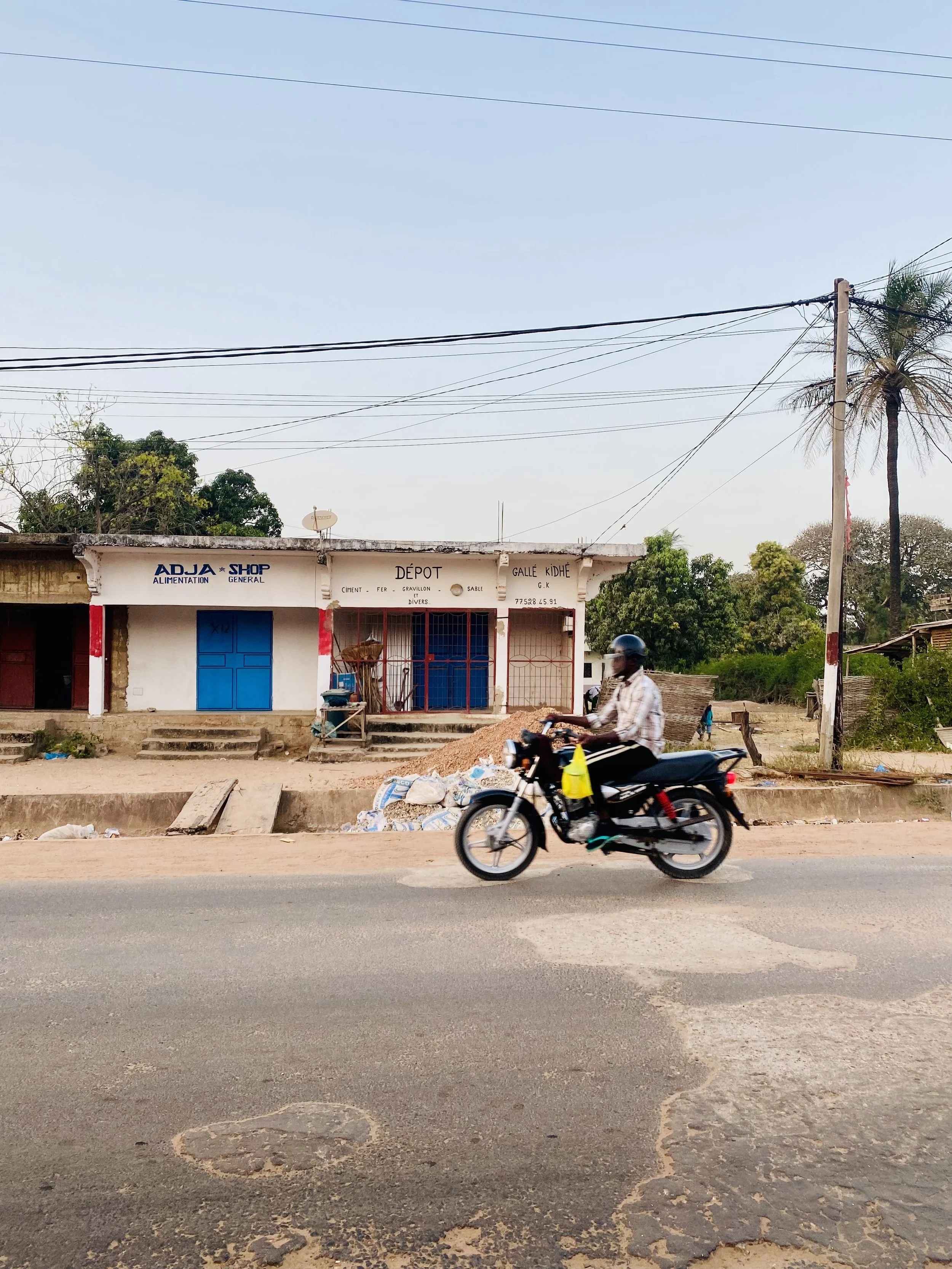
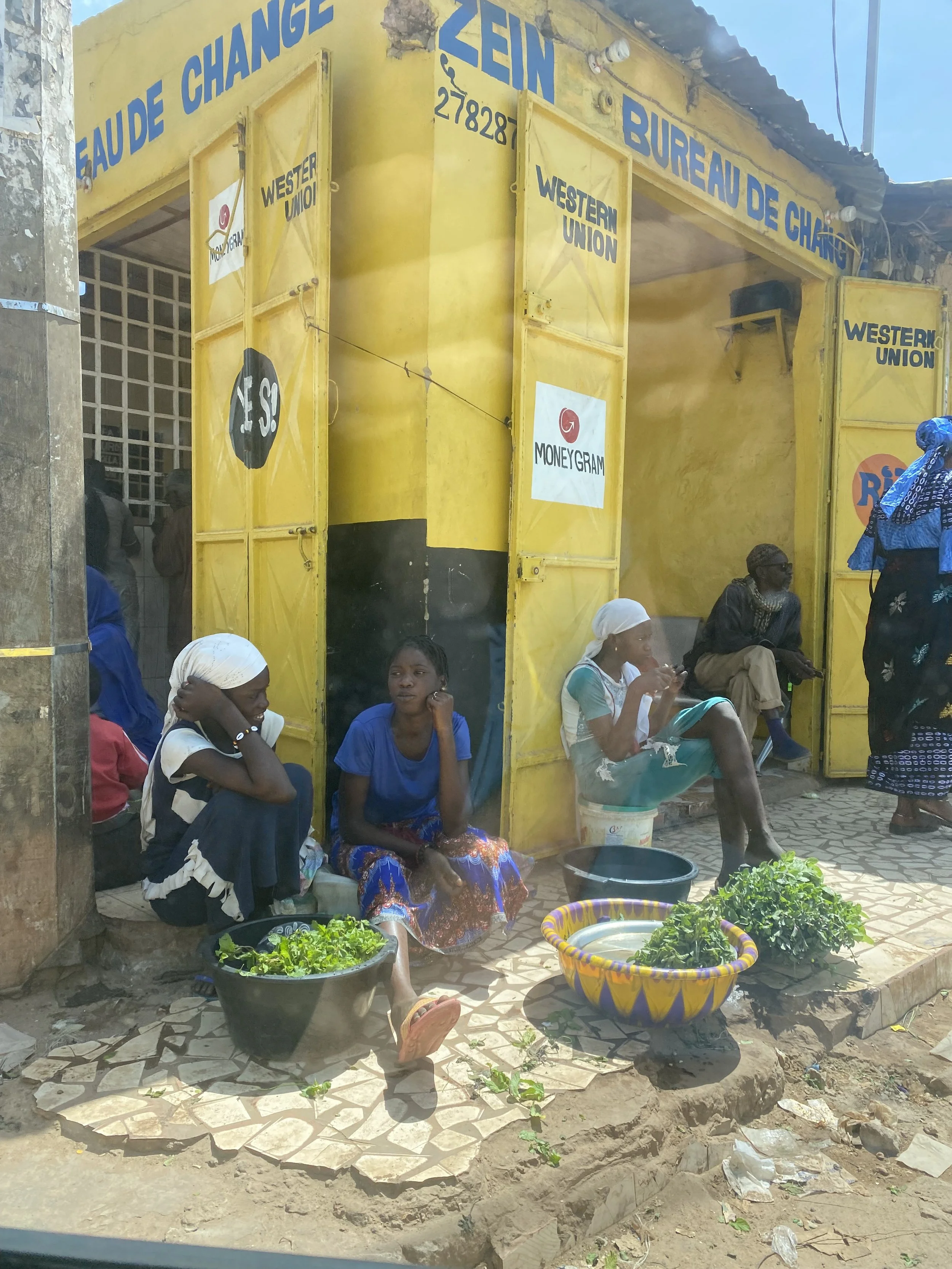
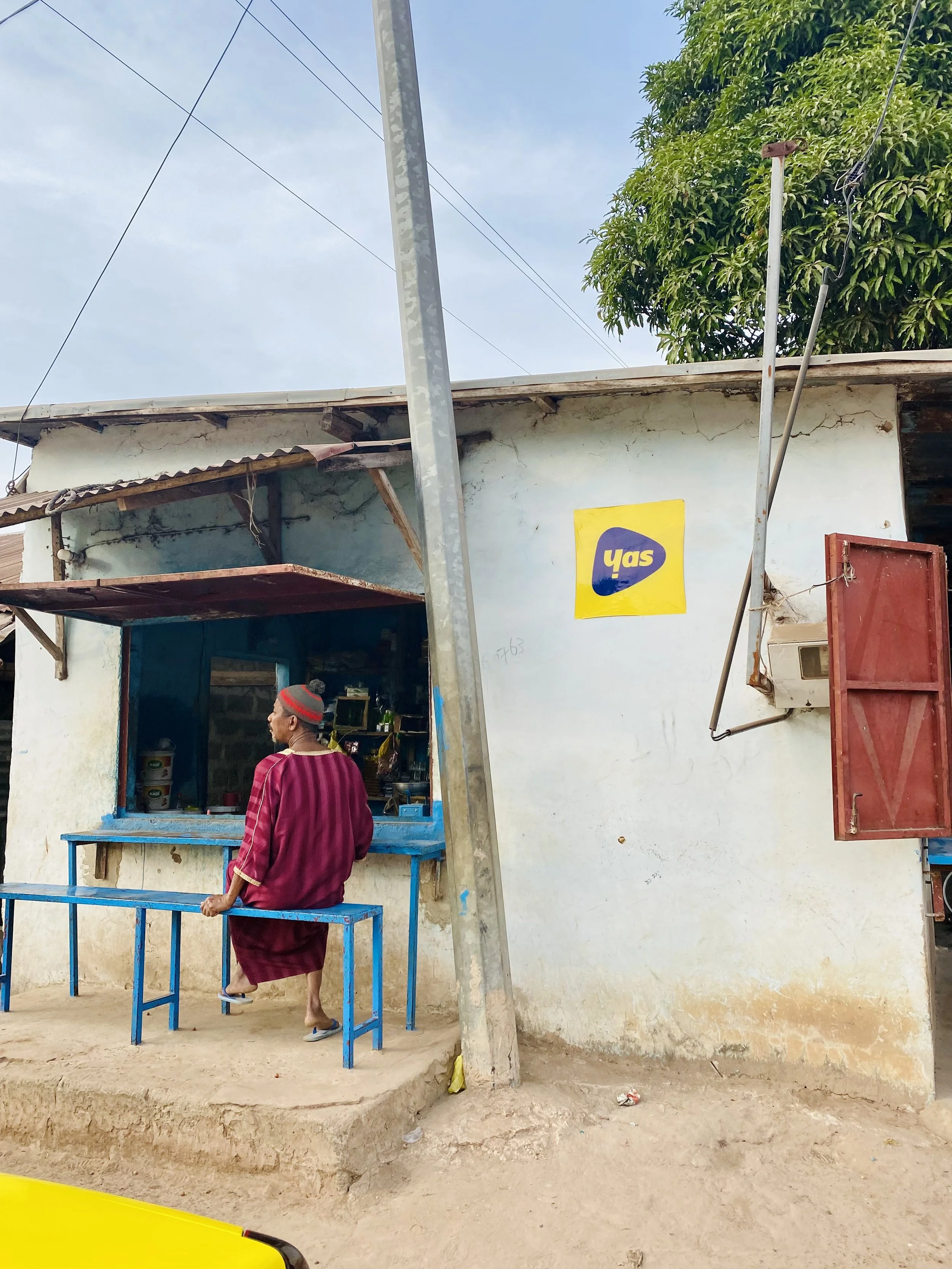
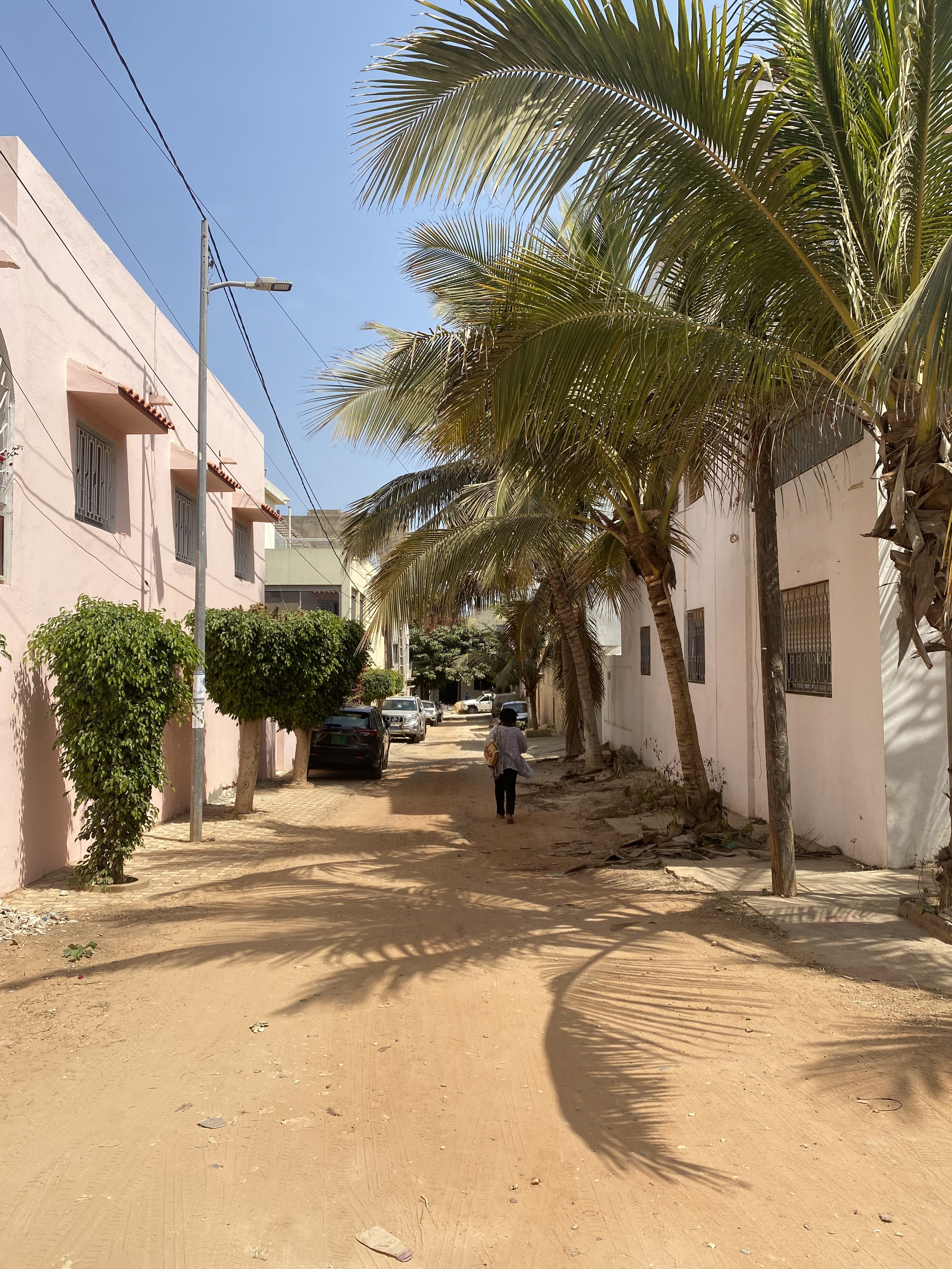
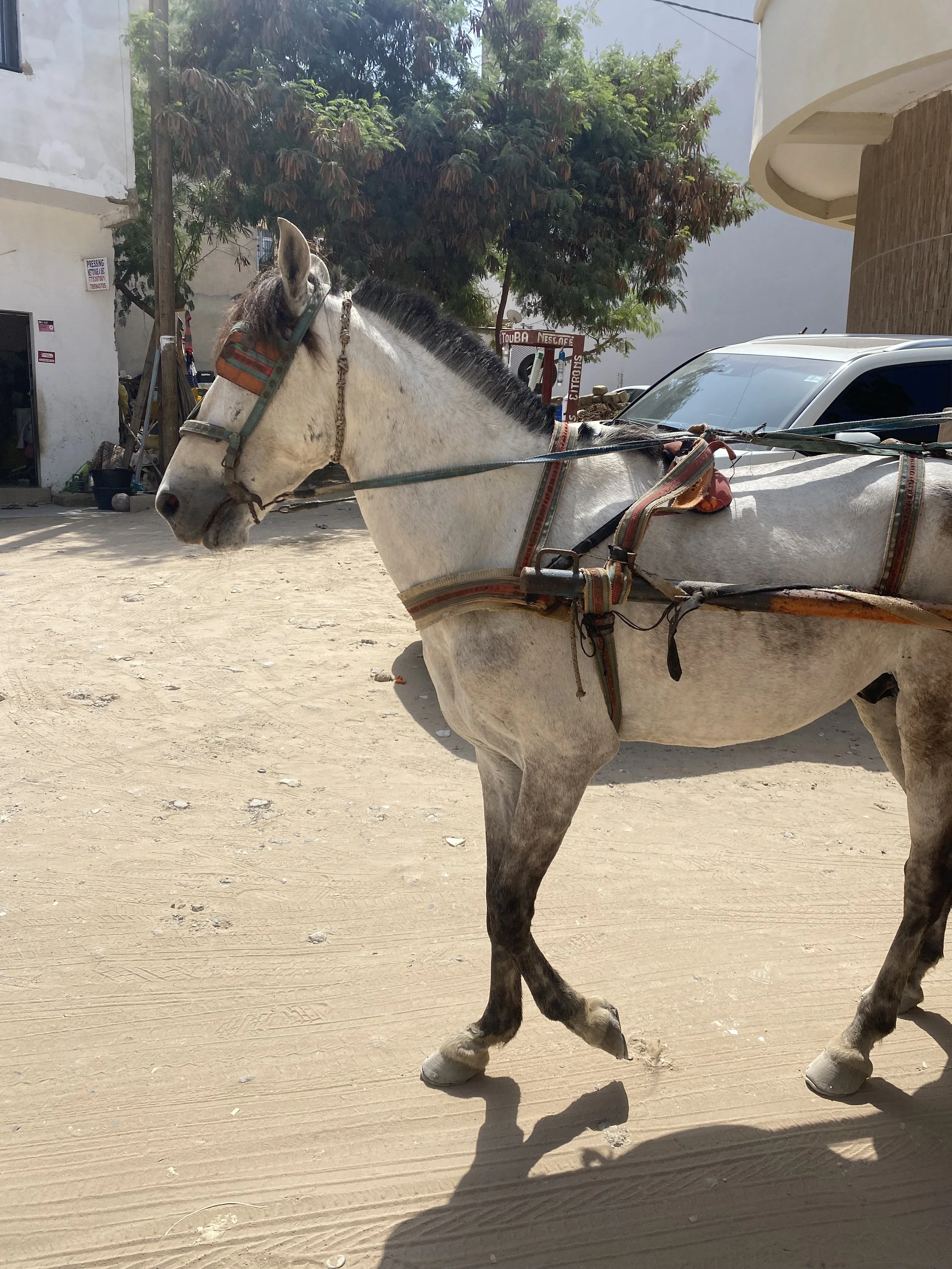
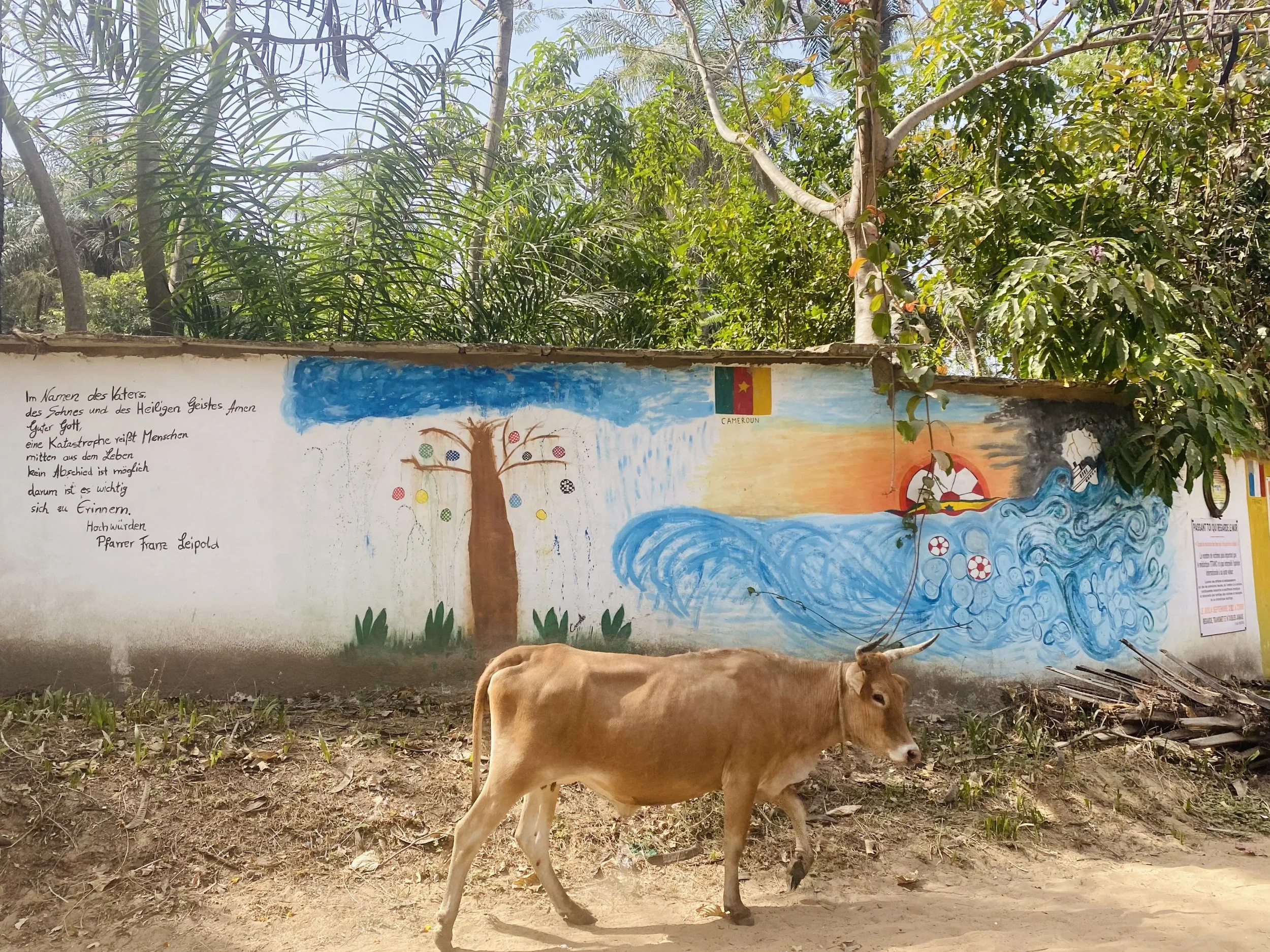
On any given street you’ll find horse and carriage, motorcycles, luxury SUVs, bashed up taxis, pedestrians, colorful car rapids, even herds of tail-swatting cattle.
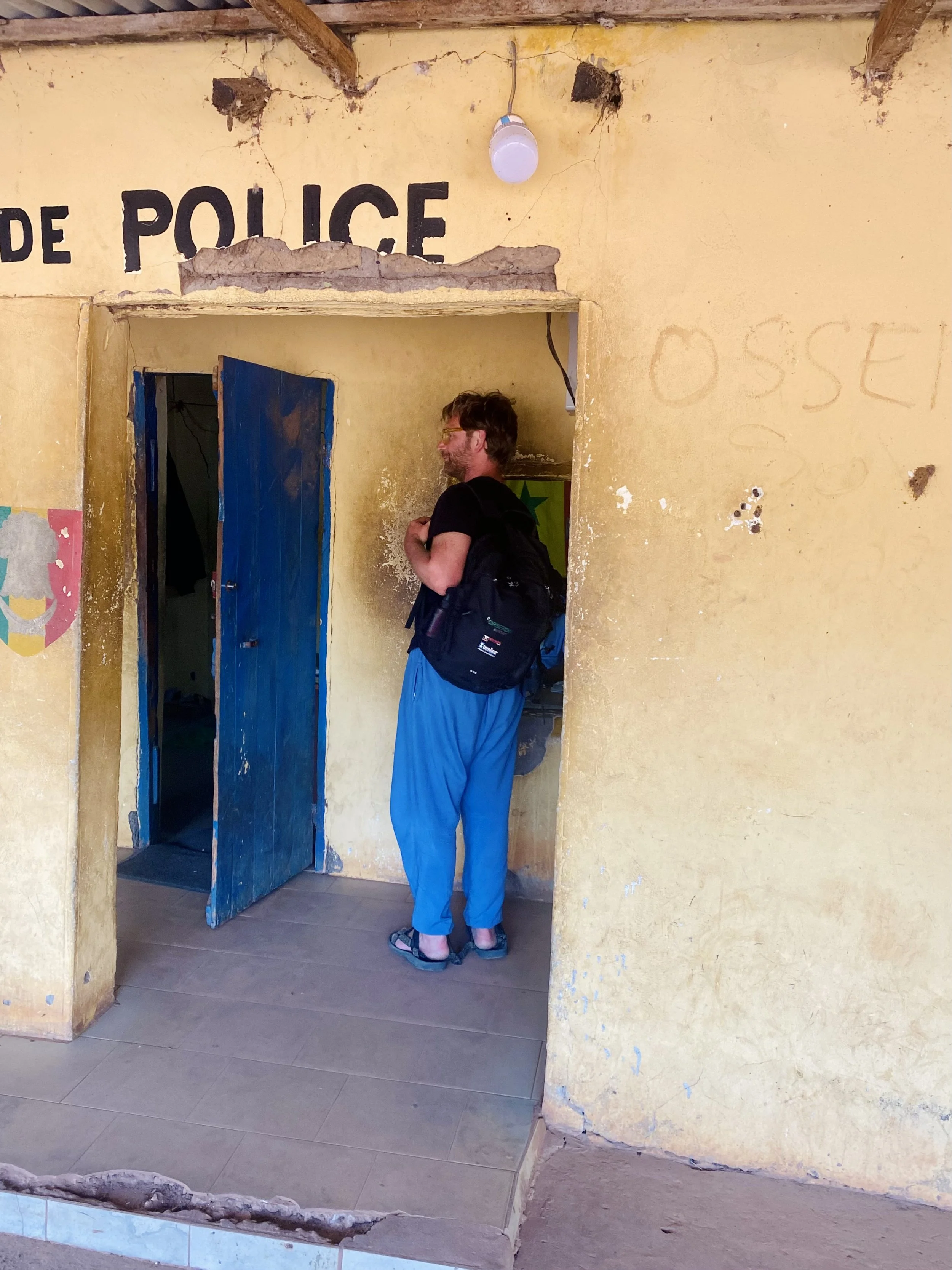
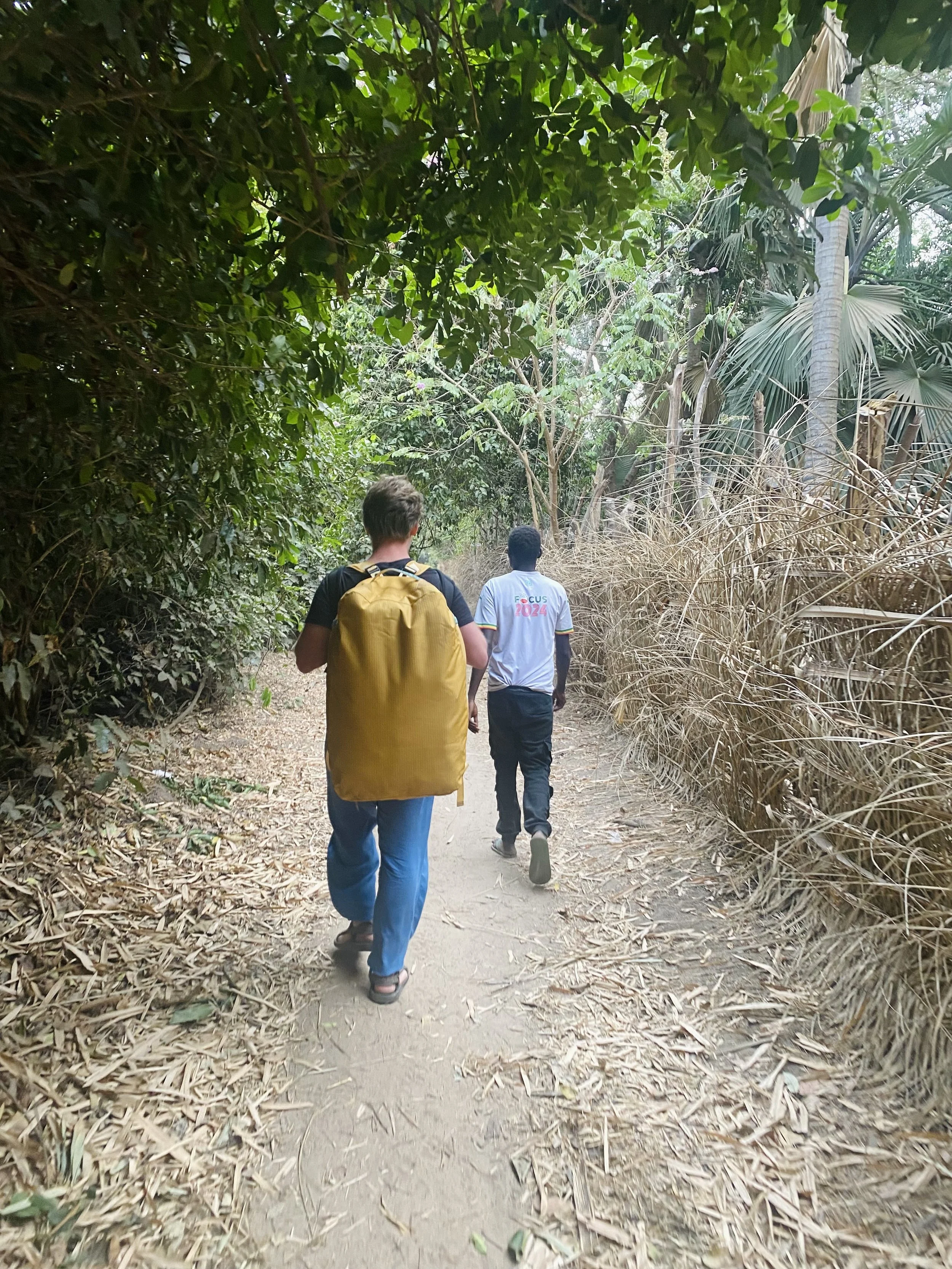
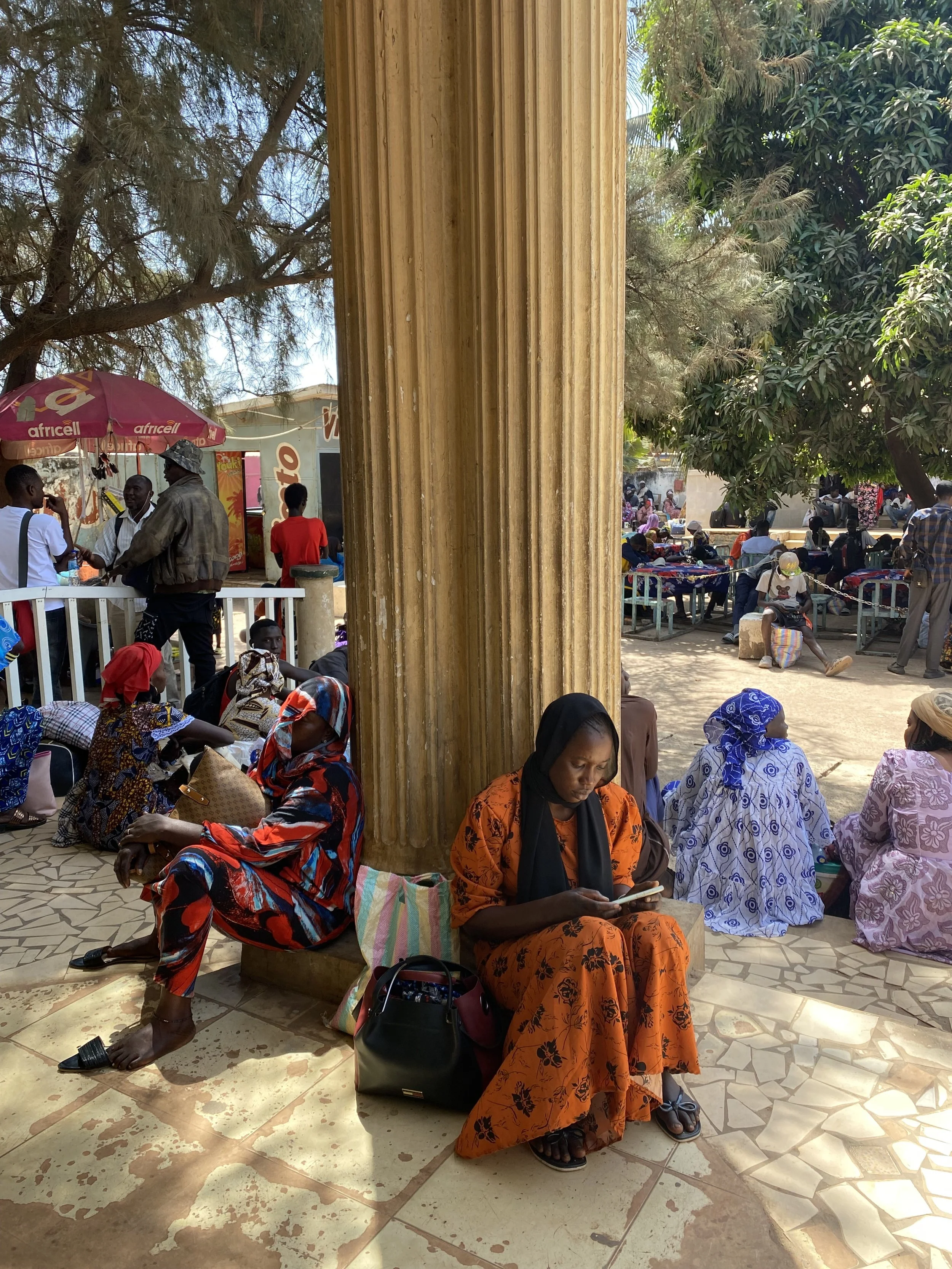
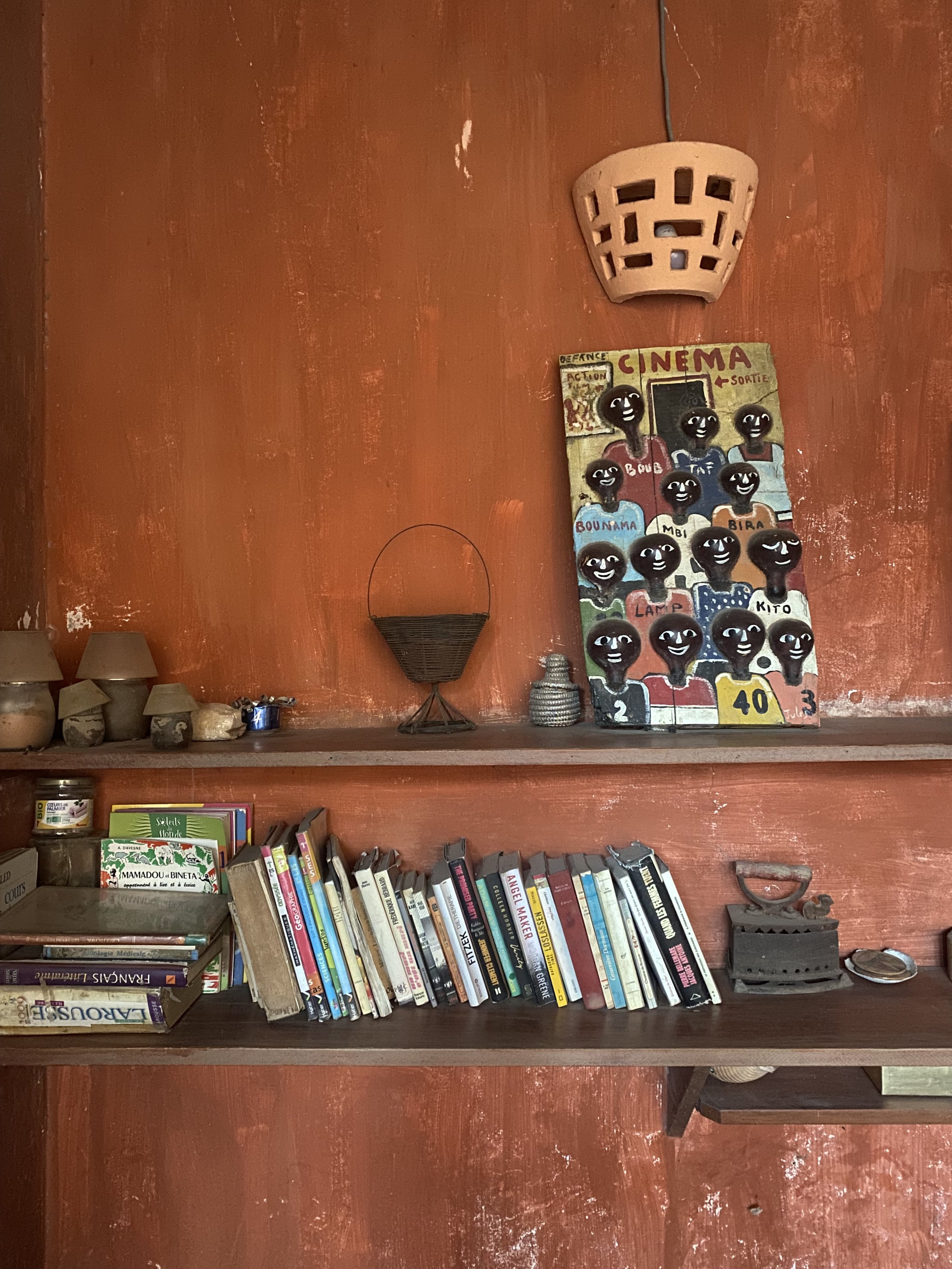
5. Two Countries in One: North and South
The geography surprised us.
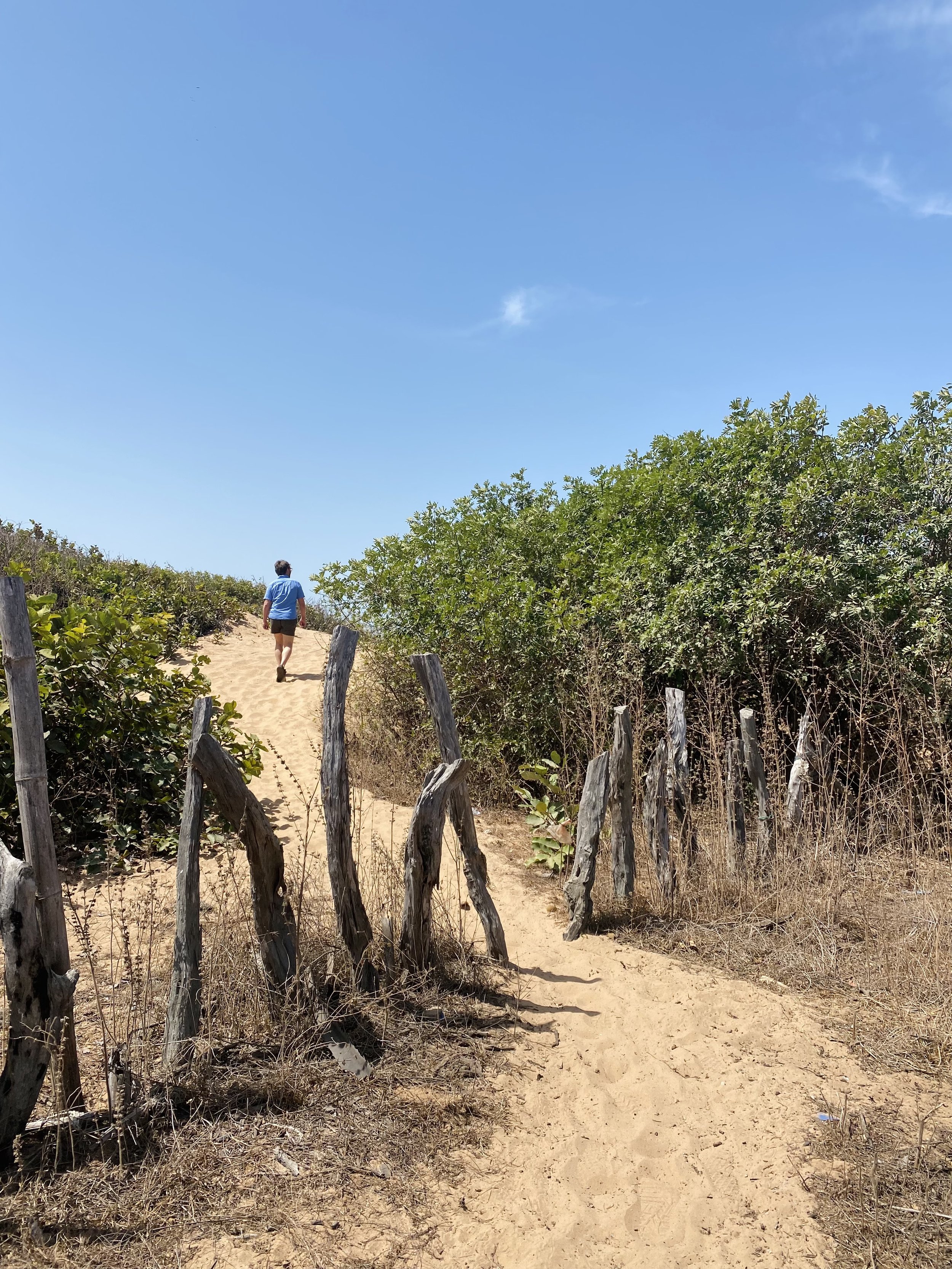
Northern Senegal stretches into the Sahel—flat, arid, sun-bleached, almost austere.
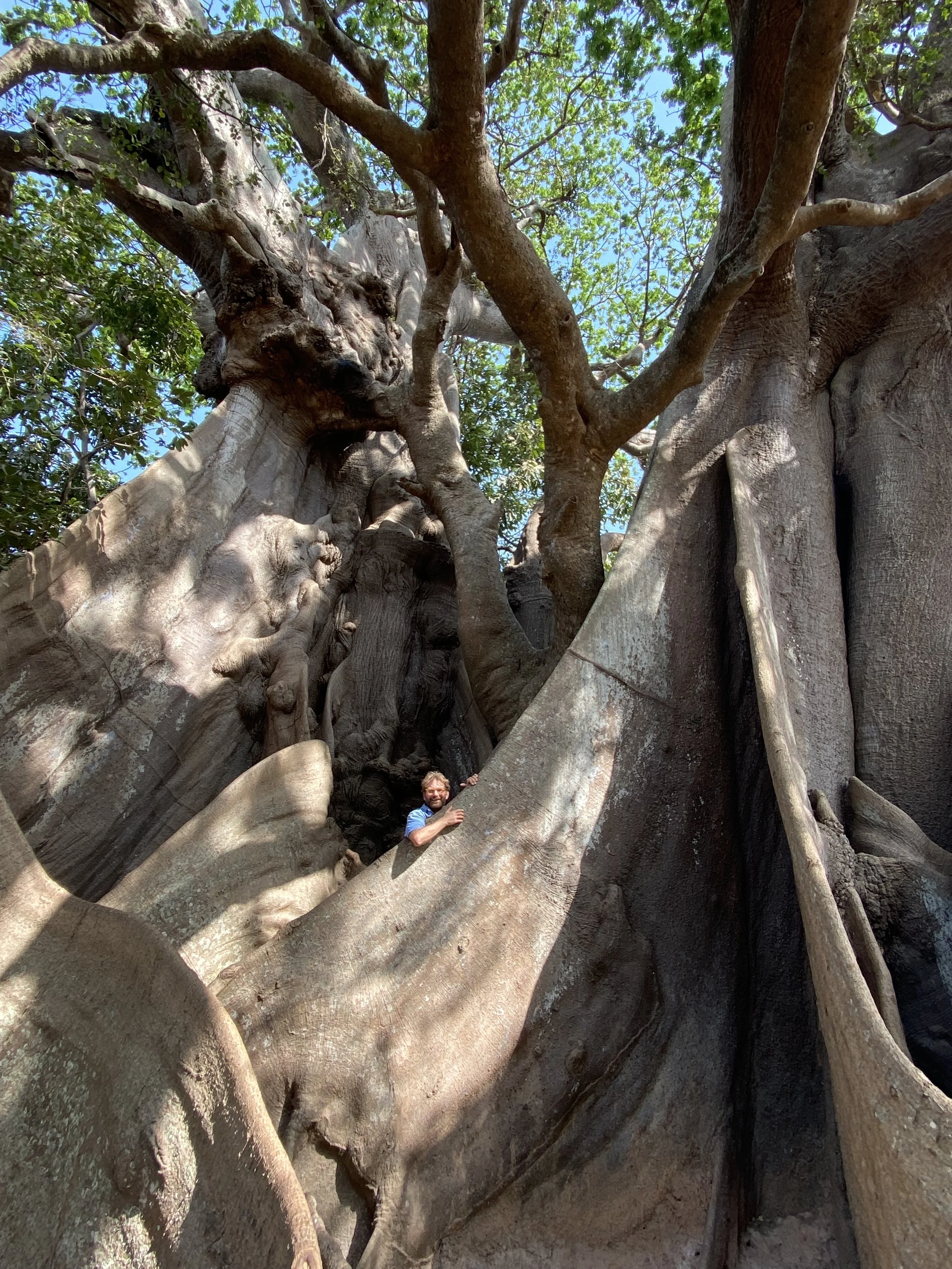
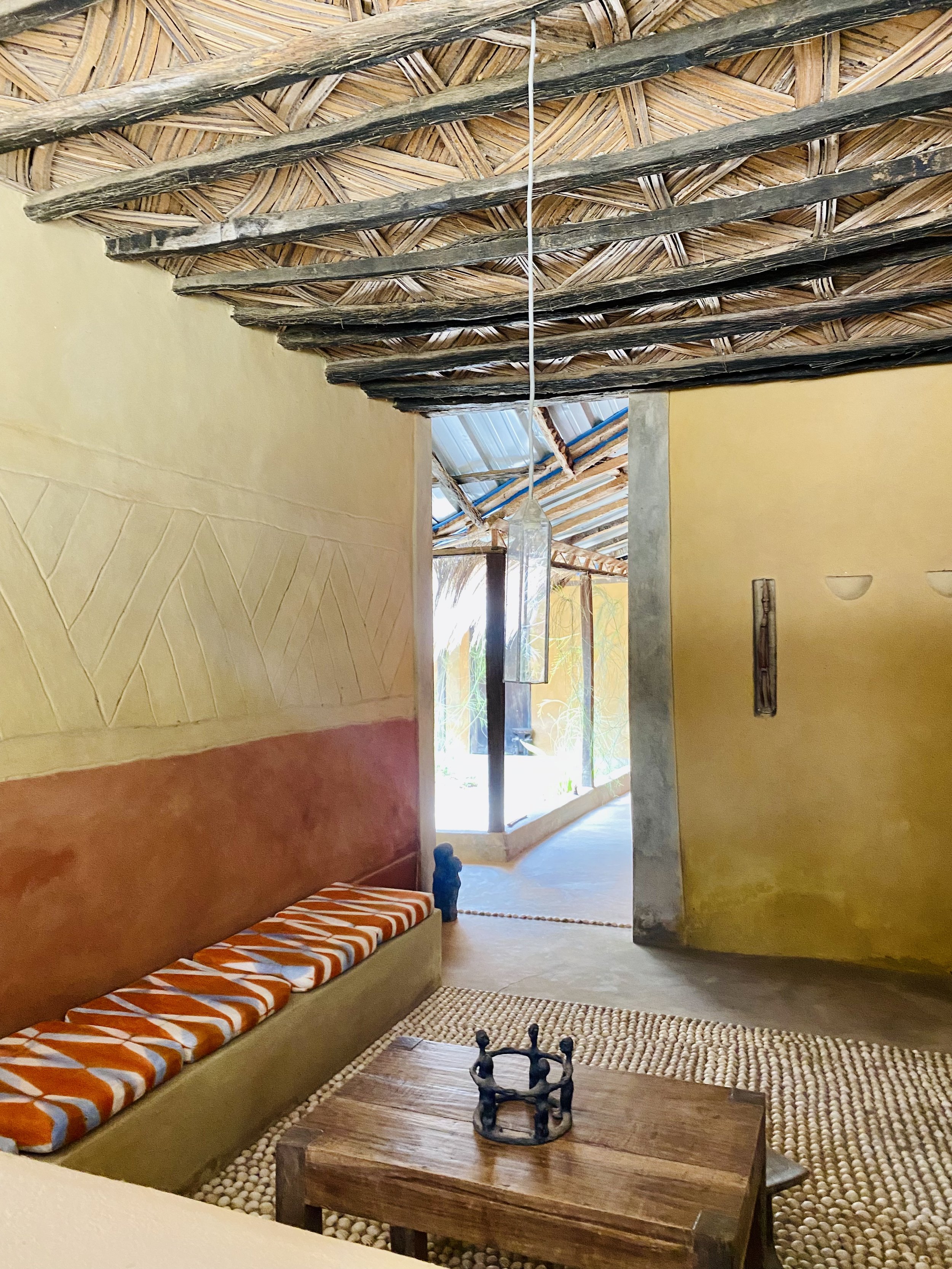
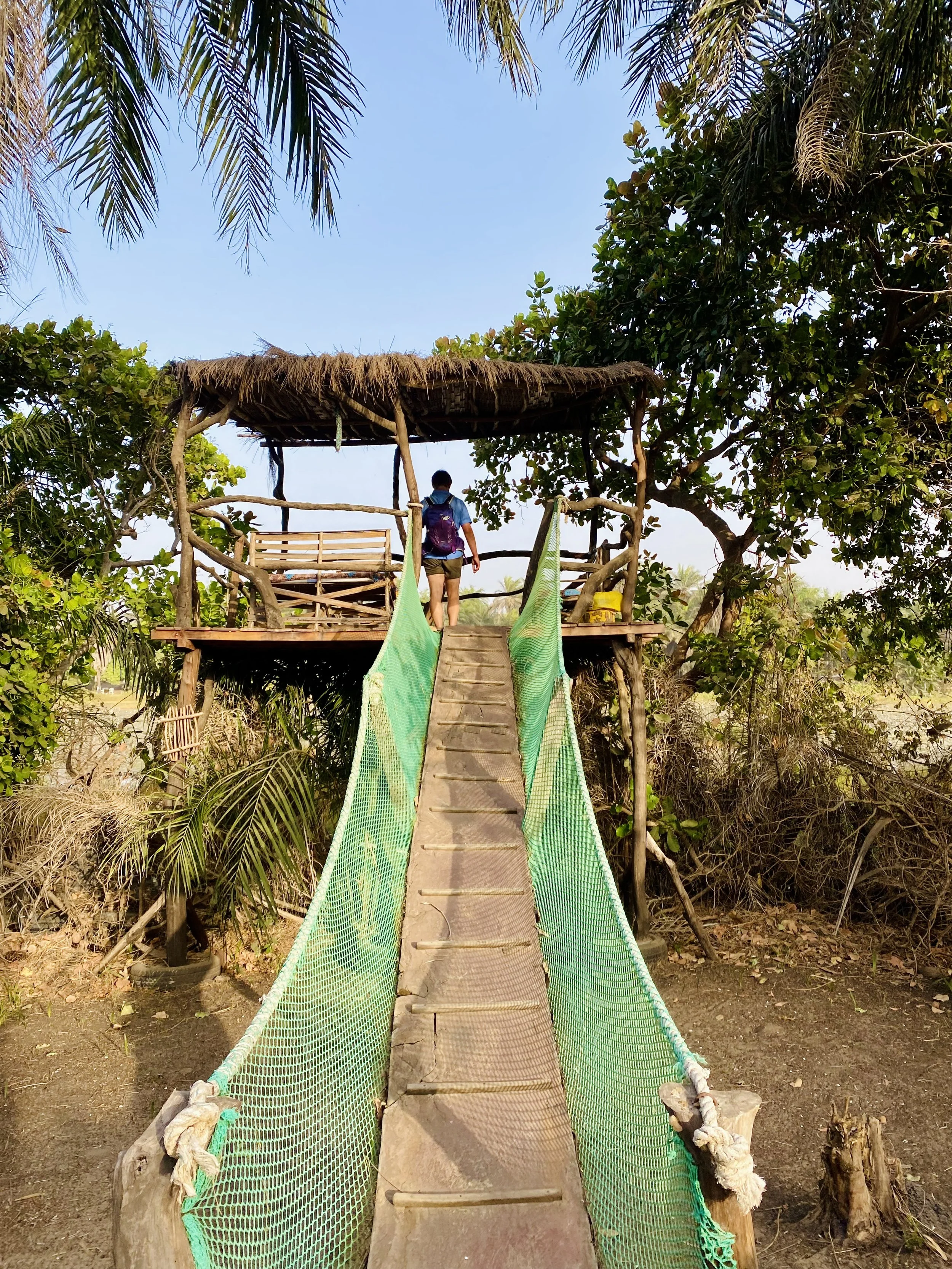
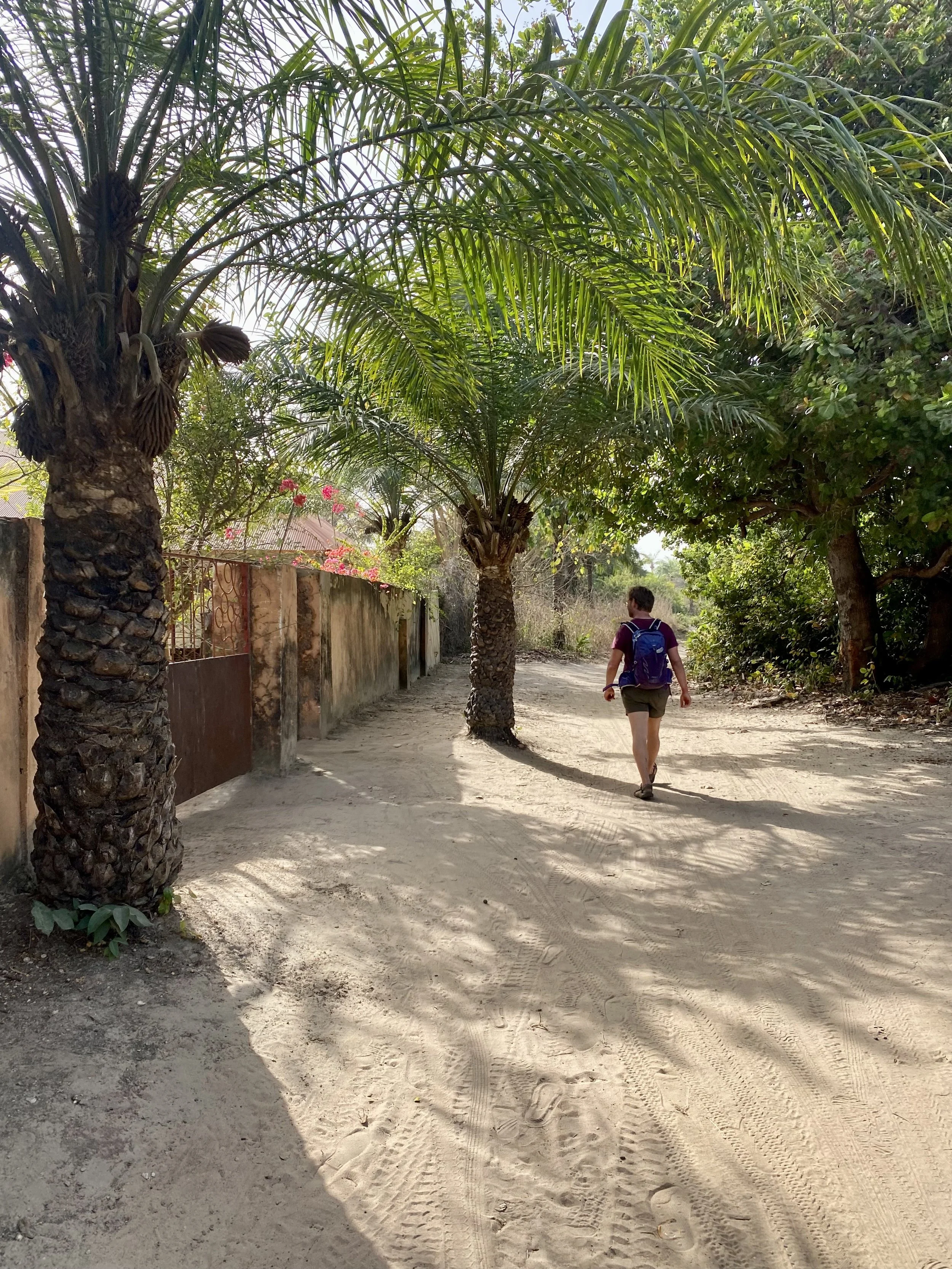
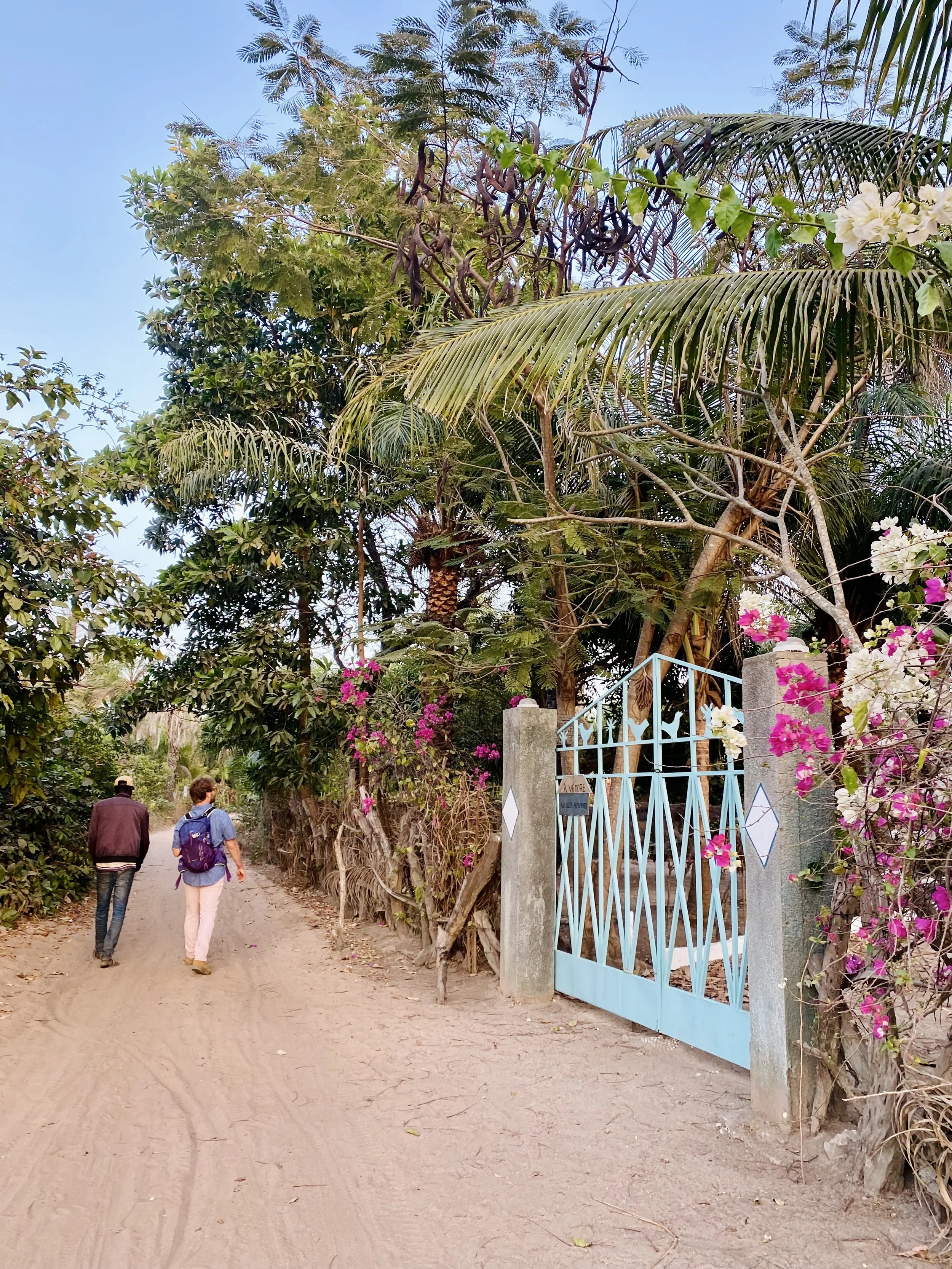
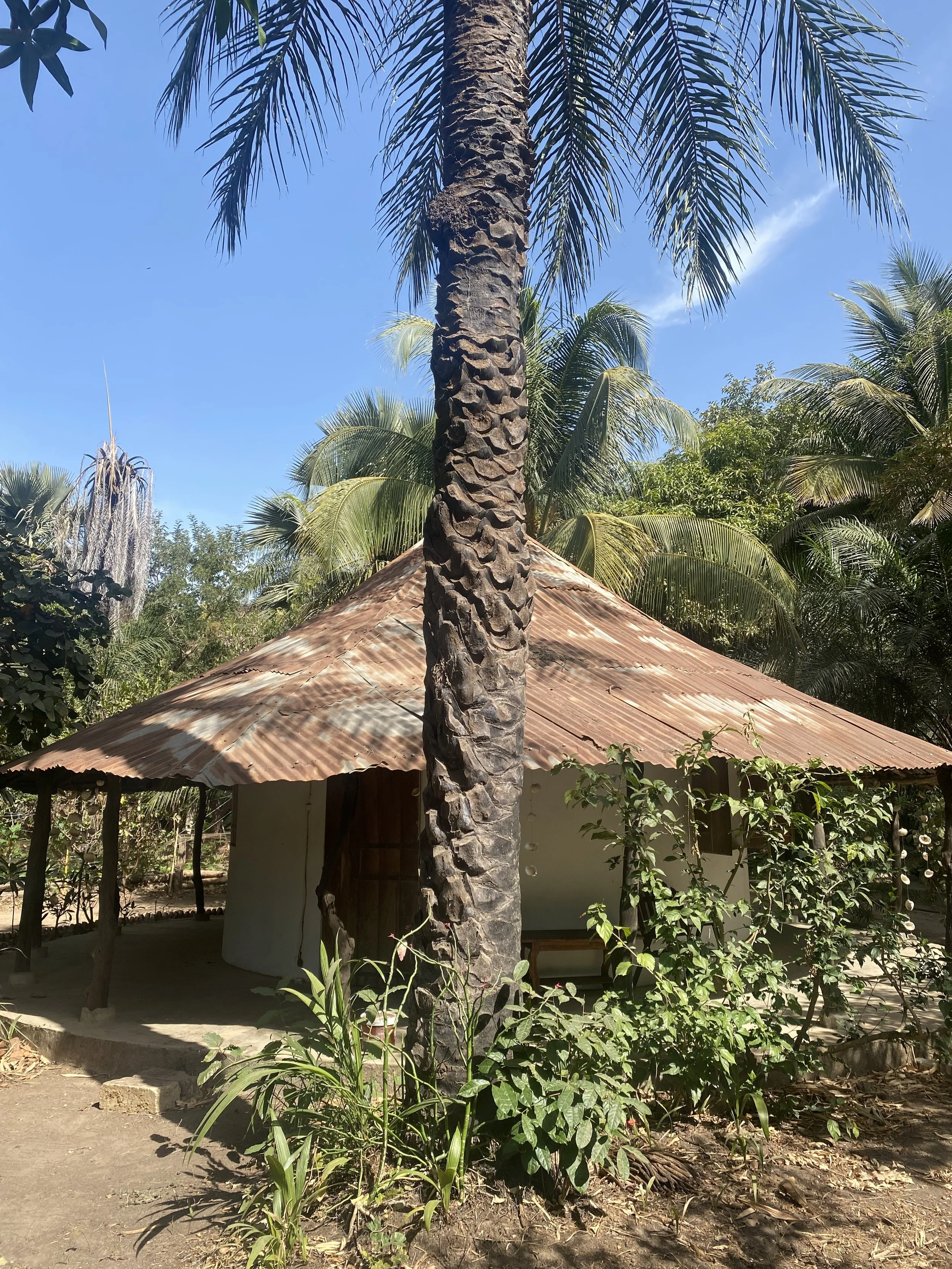
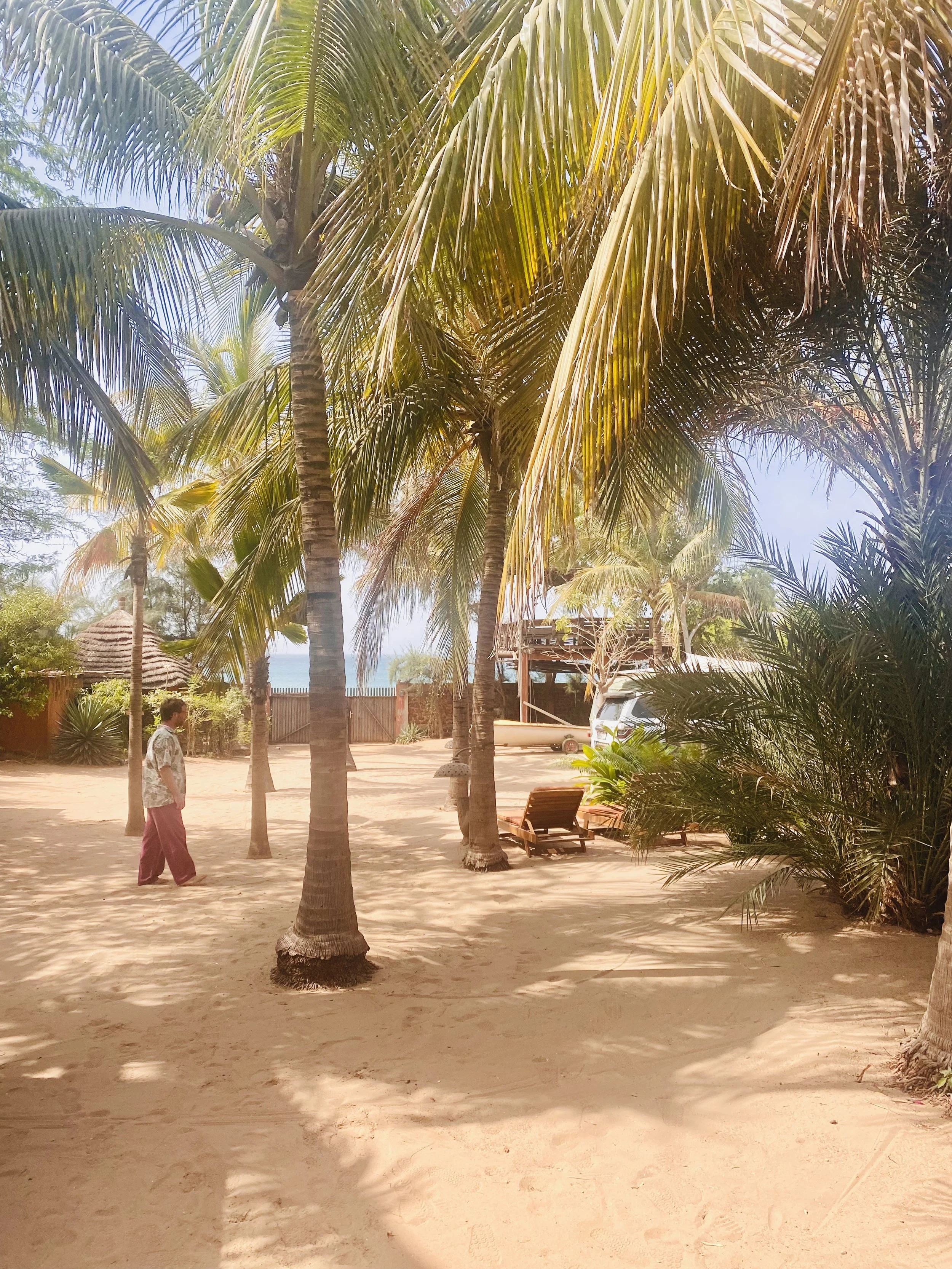
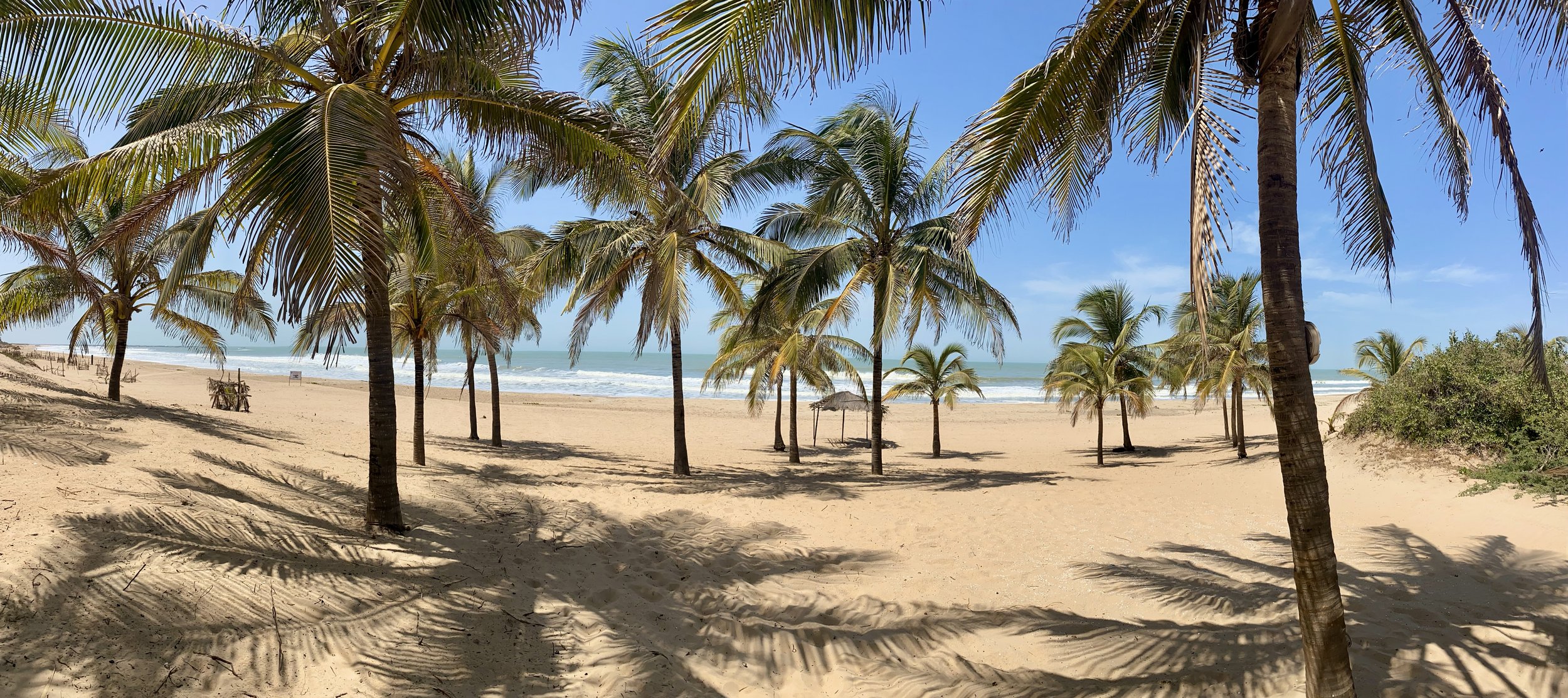
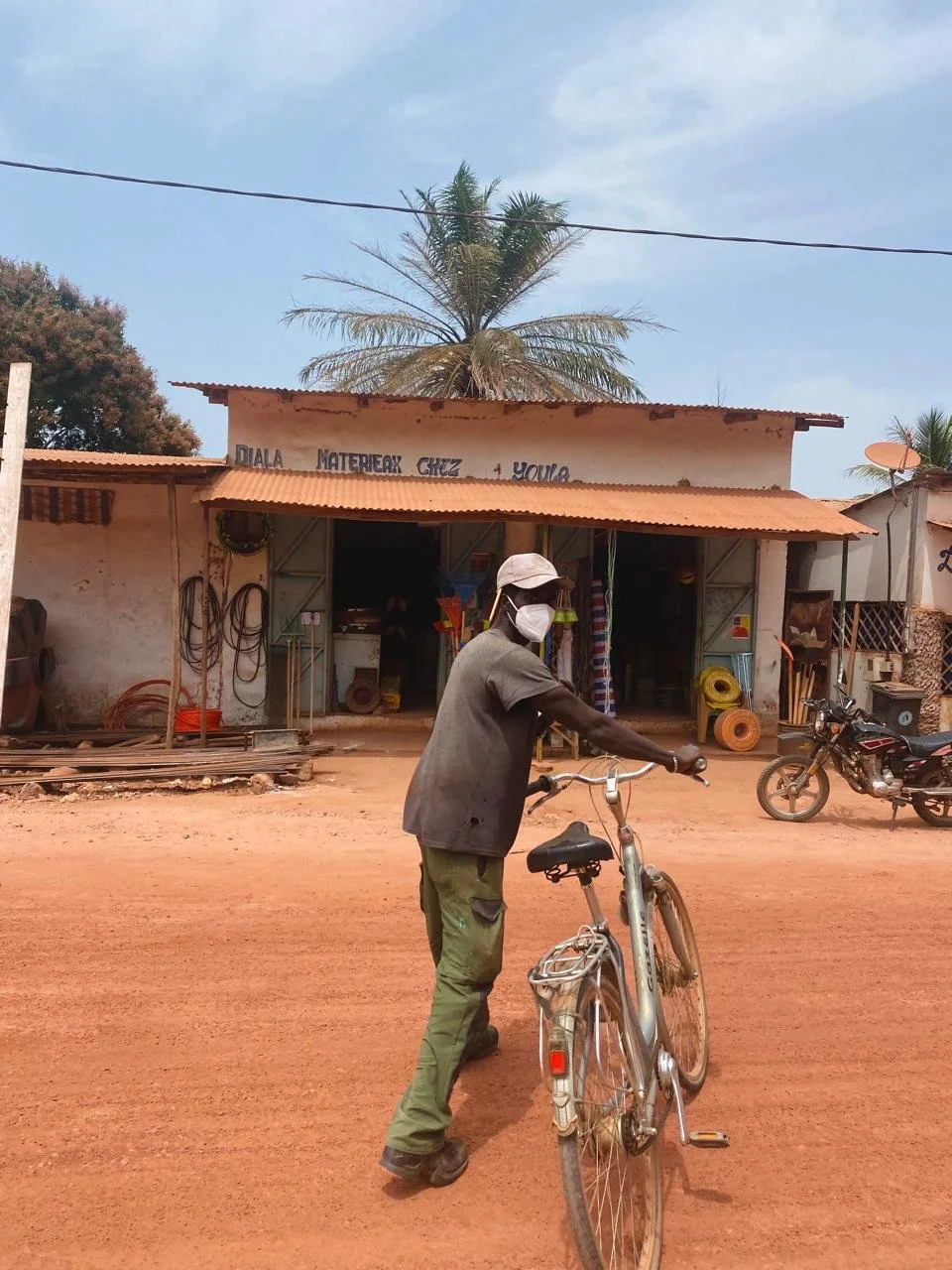
But the southern region, especially Casamance, feels like a different world entirely: lush, green, humid, and almost nostalgic, with palm trees, rivers, and thick vegetation.
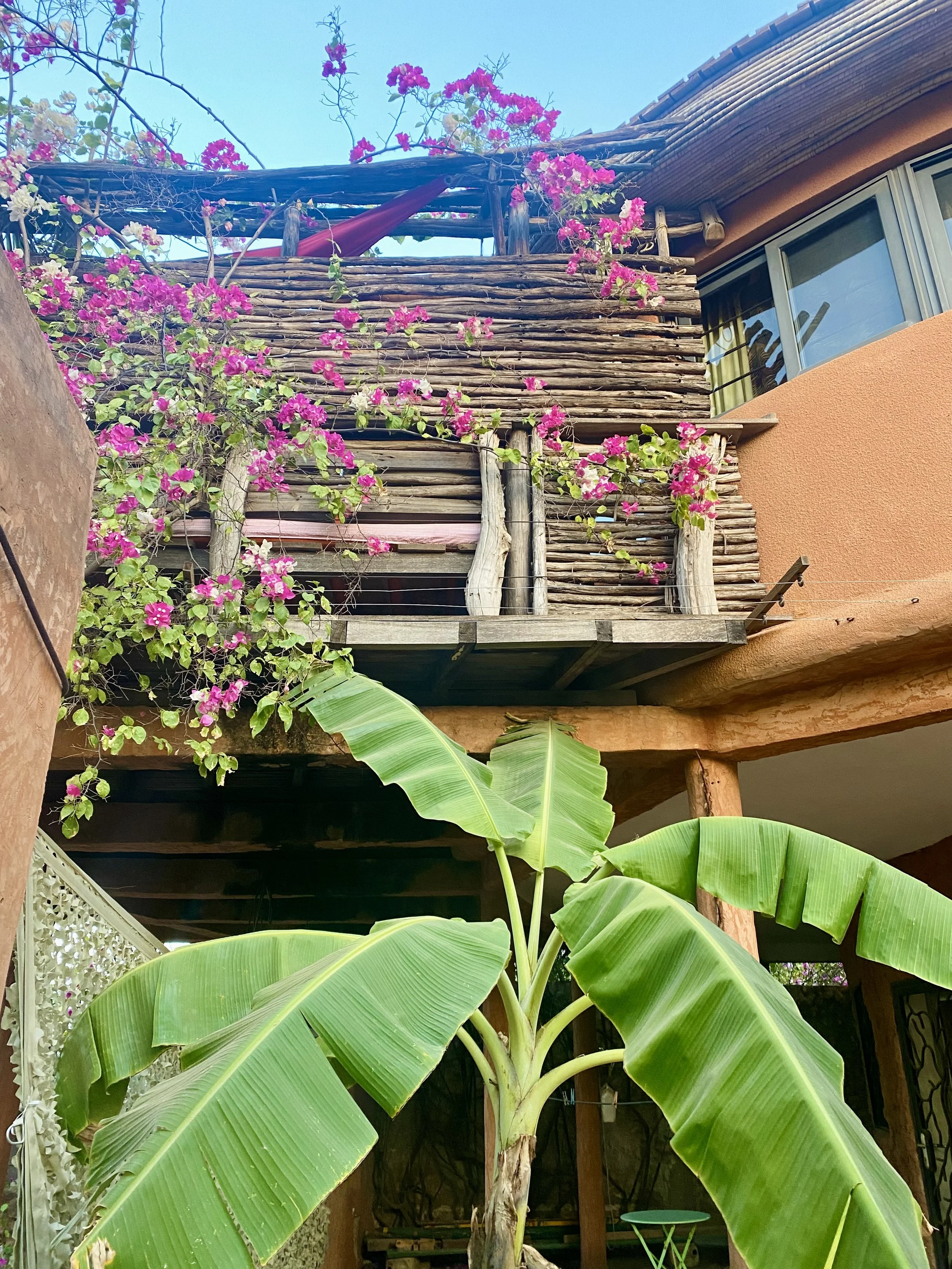
The contrast is dramatic and shapes everything from food to architecture to mood.
6. Pride Without Gatekeeping
Senegalese people hold deep pride in their culture—and yet they are incredibly generous with it.
They want you to learn. They want you to try. Dancing was the clearest example: people constantly pulled us into circles, taught us steps, corrected our posture, laughed with us, and cheered when we got something right.
When we managed to bring even a small part of Senegalese culture to life in our own bodies, we were rewarded with hugs, high-fives, and the occasional congratulatory handshake—as if we’d honored something precious rather than borrowed it.
7. The Sea, the Pirogues, and the Hands of Many
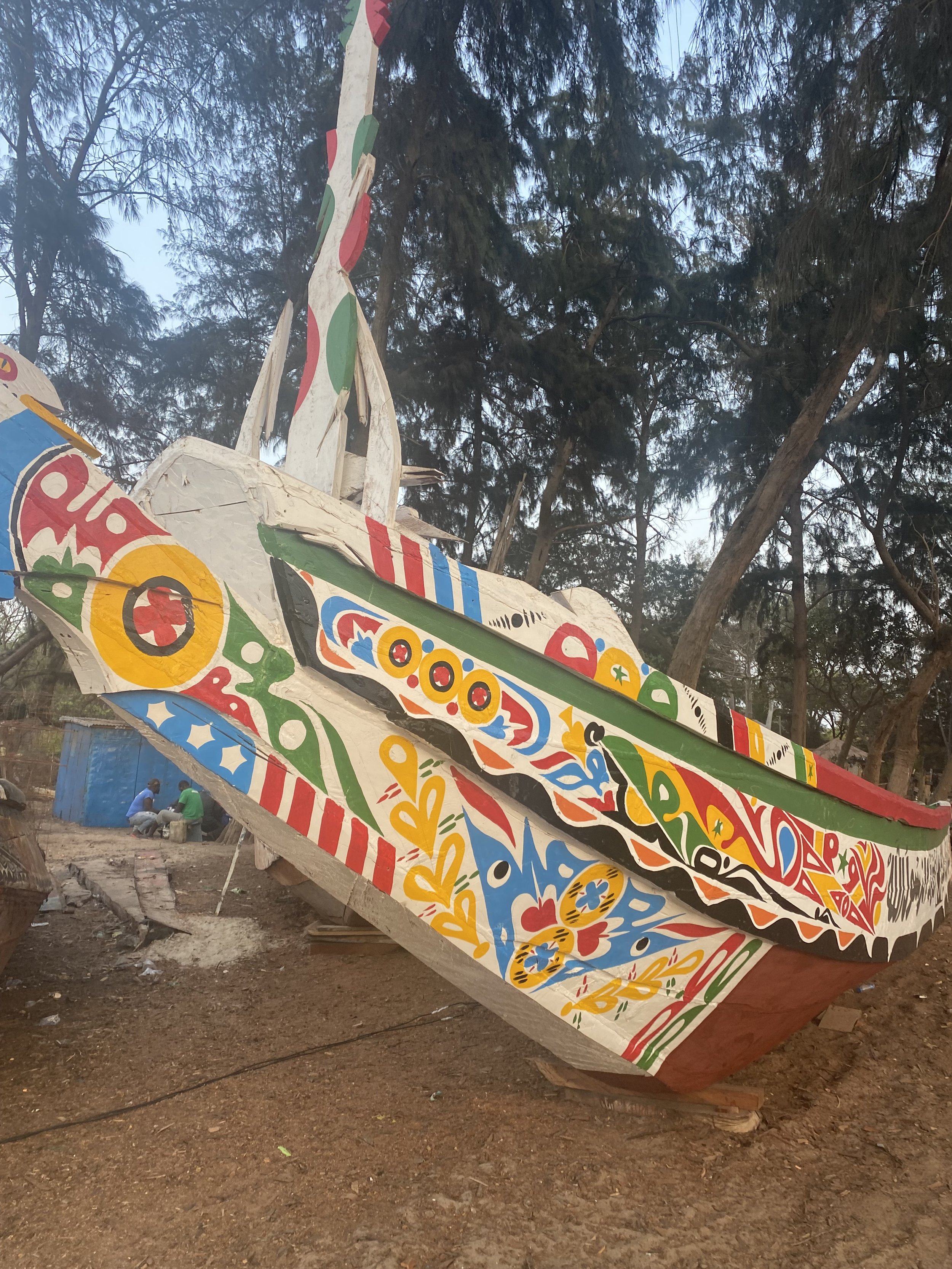
The fishing boats alone could be a reason to visit Senegal.
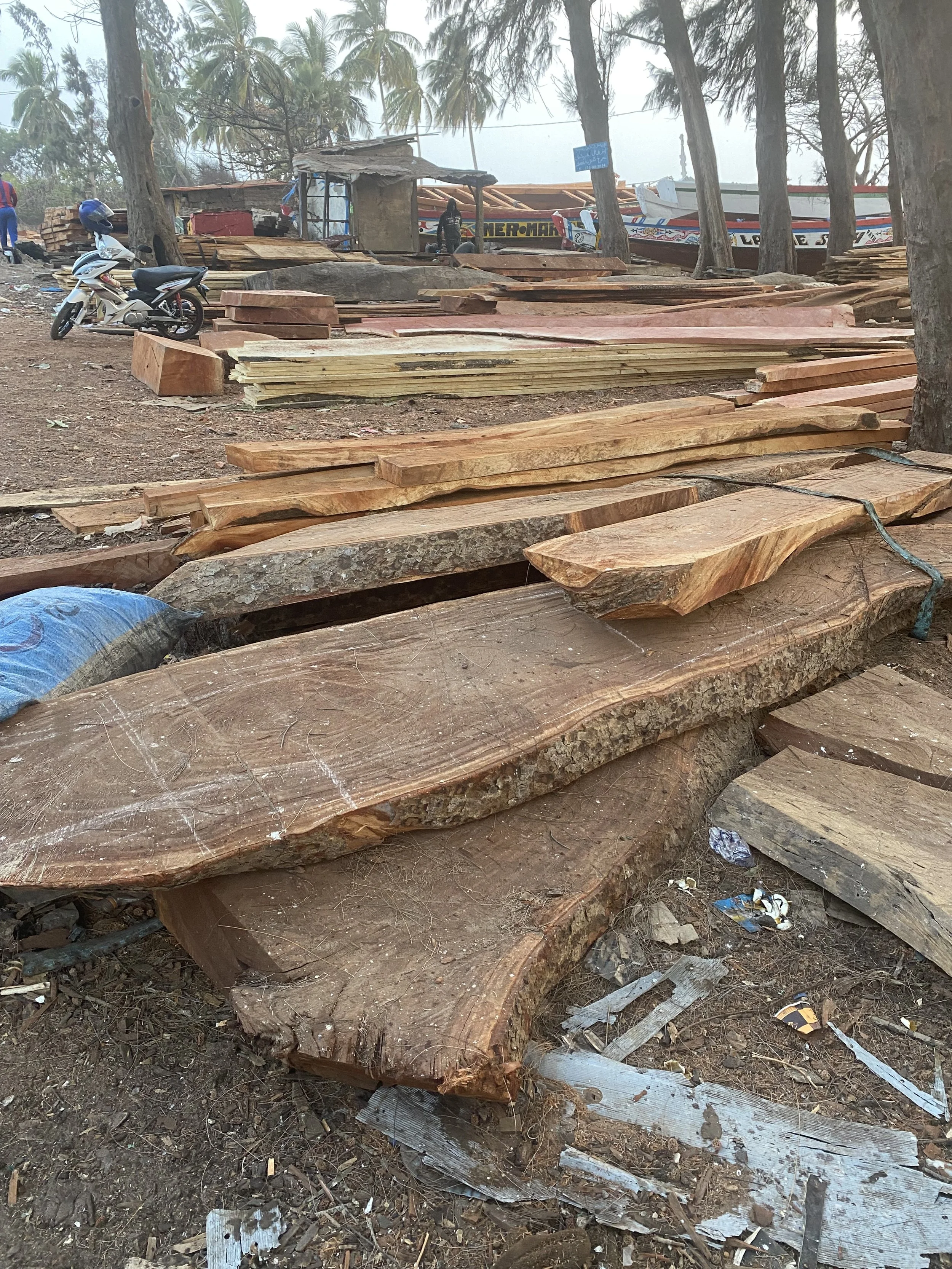
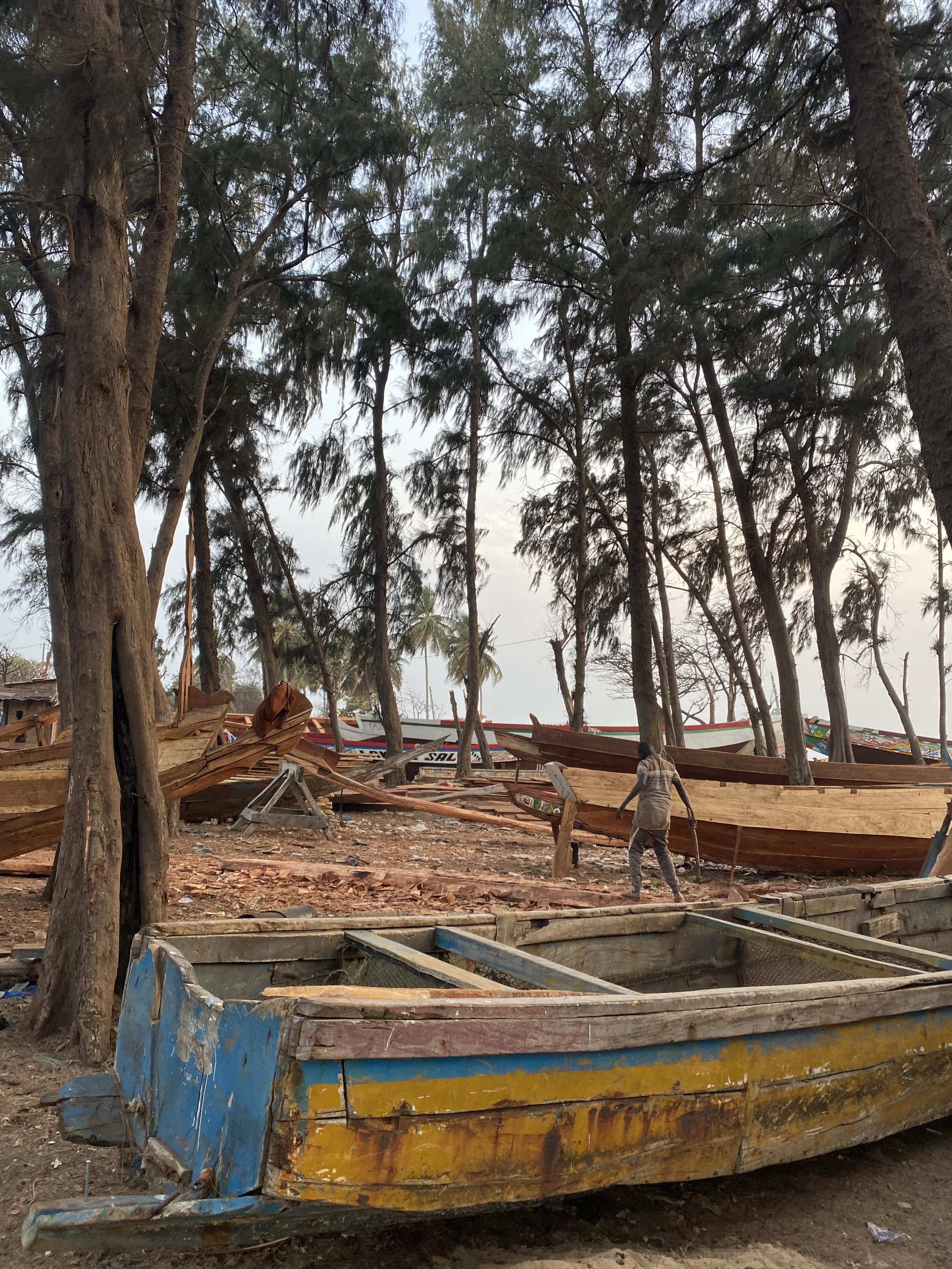
Along the coast, countless wooden pirogues—long, narrow fishing boats—are painted in vivid colors and symbols, each telling a story of family, village, faith, and protection.
Senegal’s fishing industry is massive, but not dominated by giant industrial fleets. Its scale comes from the labor of many, many fishermen heading out daily, often in small groups, continuing traditions passed down for generations.
8. Warmth, Curiosity, and Reality
Most times the friendliness we encountered was purely genuine. Sometimes it was also a way of building relationships with people from other cultures—perhaps in the hope of connection, opportunity, or help.
Both can be true at once. And neither felt dishonest.
What stood out was transparency: conversations happened in the open, with humor, negotiation, and humanity intact.
9. Learning to See Differences
After a while, we began to notice distinctions—between ethnic groups, regions, and histories.
Senegal is home to many peoples: Wolof, Pulaar, Serer, Diola, Mandinka, and others. These differences show up in languages, dress, music, food, and even ways of standing or speaking. The longer we stayed, the more the country unfolded into layers rather than a single image.
10. Radical Multilingualism
Almost without exaggeration, people in Senegal speak between three and seven languages.
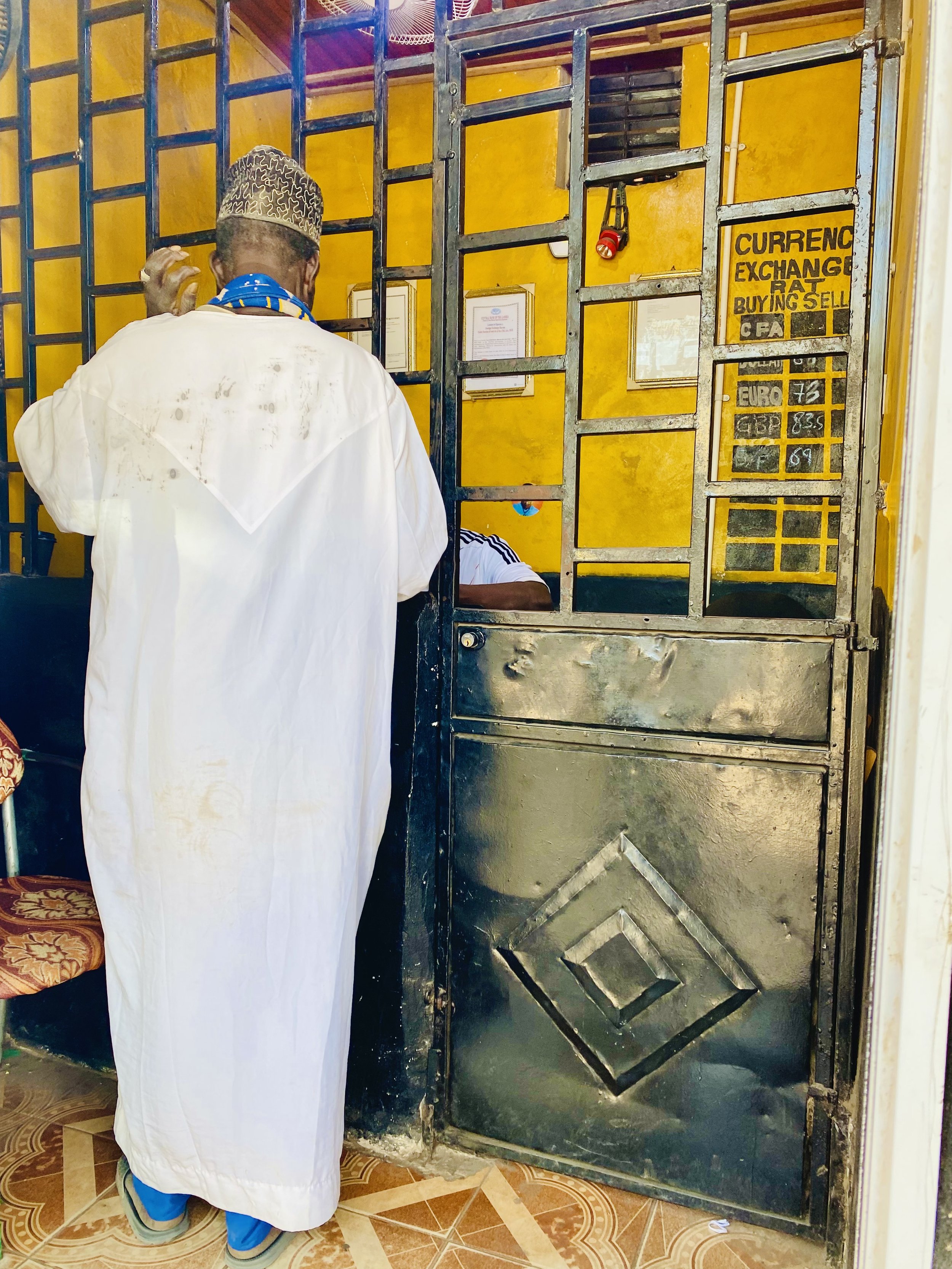
Someone might speak their village’s indigenous language, another inherited from a parent’s region, Wolof as a lingua franca, French as a colonial administrative language—and often Arabic or English as well. And even then, no language is universally spoken. Communication here is flexible, creative, embodied.
It reminded us that language is not just about words—it’s about listening.
Teranga
The word teranga comes from Wolof, a language spoken primarily in Senegal, and it refers to a deeply rooted cultural value of hospitality, generosity, and communal care.
Its origin lies in traditional Wolof social norms, where welcoming guests and sharing resources were essential for survival and social harmony.
Over time, teranga evolved from a practical ethic into a moral ideal, symbolizing openness, respect, and solidarity within the community.
Today, it is widely regarded as a defining principle of Senegalese identity, often translated as “hospitality,” though its meaning is broader and more profound than any single English word.
